Verification Protocols Improve Multiplier Feature Availability in Mobile Casino Games
Leon Schulz · Aug 21, 2026
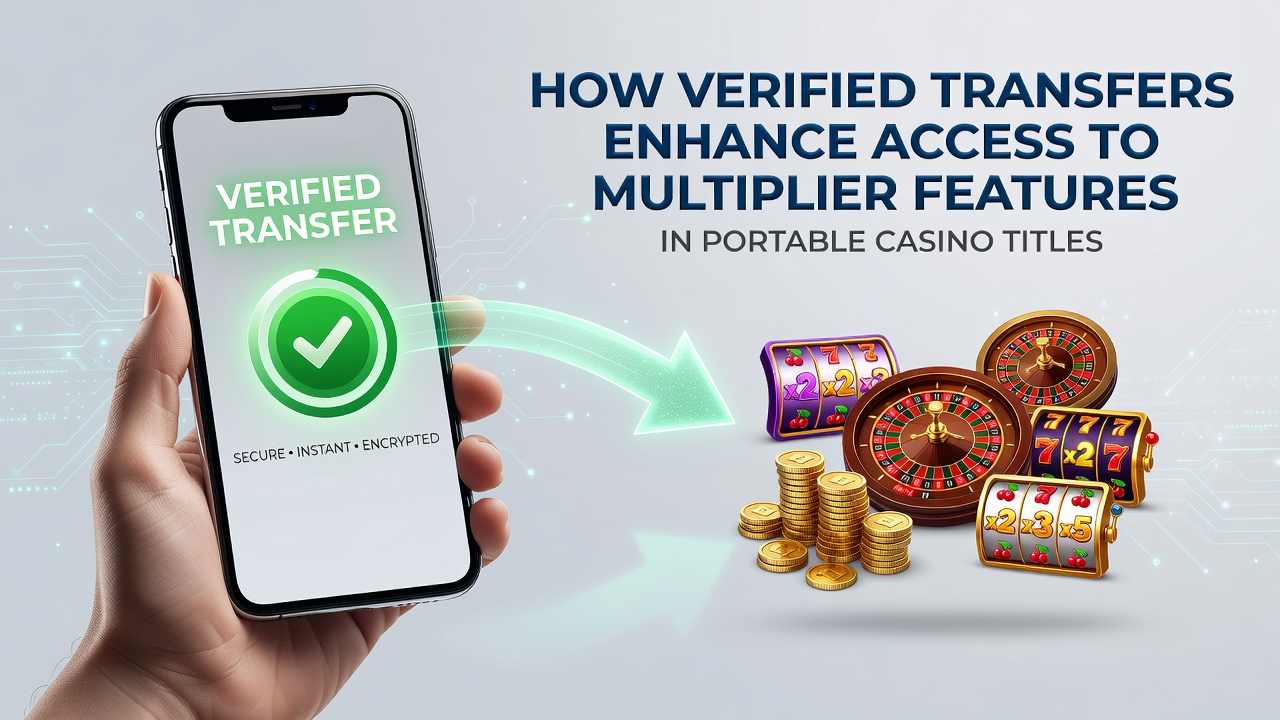
Verification Protocols Improve Multiplier Feature Availability in Mobile Casino Games
Verified transfers play a central role in mobile casino operations because they confirm player identity and funding sources before gameplay begins, and this confirmation directly affects when multiplier features become active in portable titles. Operators require these checks to comply with licensing standards while players gain access to enhanced gameplay elements once the process completes.
Role of Verified Transfers in Mobile Platforms
Portable casino titles operate through applications that connect to payment processors and banking systems, and verified transfers establish a secure link between user accounts and game servers. When a player completes a transfer from an approved method such as an e-wallet or bank account, the system records the transaction details and updates eligibility flags for bonus mechanics. Data from industry reports shows that games often restrict multiplier activation until verification finishes, which prevents unauthorized access and maintains regulatory compliance across jurisdictions.
August 2026 brought increased focus on these protocols as more operators integrated real-time verification tools into their mobile frameworks. Developers adjusted code so that once a transfer clears, multipliers in slots and table games activate without additional steps, and this change streamlined user experiences in titles that feature progressive bonus rounds.
Multiplier Features and Access Conditions
Multiplier features in portable casino titles include elements such as wild multipliers, scatter-triggered boosts, and progressive jackpot multipliers that scale winnings during base gameplay. Access depends on verified account status because many titles tie these enhancements to deposit activity and identity confirmation. Studies from research institutions indicate that games with verified transfer requirements show higher completion rates for bonus sequences since players avoid interruptions from pending checks.
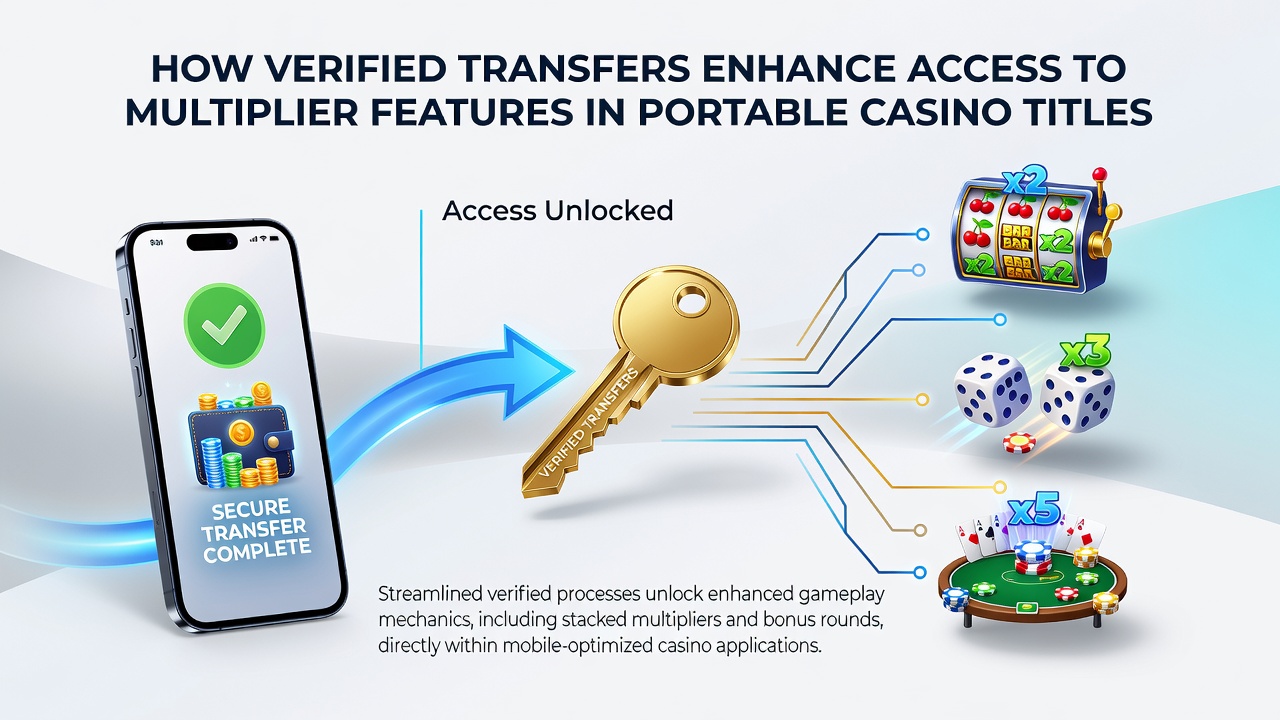
Take one development team that integrated verification APIs into a popular mobile slot series. The team observed that players who completed transfers early unlocked x3 and x5 multipliers within the first few spins, whereas unverified sessions limited play to standard paylines. This pattern appears across multiple applications because backend systems flag accounts until documentation and transaction records align with operator policies.
Technical Integration and Regulatory Context
Mobile casino platforms use secure sockets and encryption layers during transfer verification, and these layers connect directly to game engines that control feature availability. When verification succeeds, the engine releases multiplier code segments that were previously locked. Observers note that this integration reduces latency because the system processes both payment and feature flags in a single workflow rather than separate stages.
Regulatory bodies outside the UK provide frameworks that shape these practices. The Nevada Gaming Control Board outlines standards for transaction verification in digital gaming environments, and similar guidelines appear in reports from the Australian Communications and Media Authority. These documents emphasize that verified transfers support responsible gaming measures while enabling operators to deliver consistent bonus mechanics across devices.
Examples from Current Implementations
One case involved a European developer that updated its portable roulette and blackjack titles in mid-2026. The update linked verified bank transfers to multiplier access in side-bet features, and players reported smoother progression through bonus rounds once their accounts cleared verification. Another implementation appeared in slot collections where scatter symbols triggered multipliers only after the system confirmed recent deposits through approved channels.
Research from academic sources on digital payment systems highlights how verification timelines influence engagement metrics. Shorter verification windows correlate with increased use of multiplier-enhanced modes because players reach those sections without extended delays. Operators continue to refine these connections to align with evolving security requirements while preserving feature accessibility.
Conclusion
Verified transfers establish the foundation for multiplier feature access in portable casino titles by confirming account validity and funding status before enhanced gameplay elements activate. Technical systems integrate these checks into mobile applications, and regulatory standards from multiple regions guide their implementation. As platforms evolve through 2026, the connection between verified transactions and bonus mechanics remains a core element of mobile casino design.