UK Betting and Gaming Council Unveils 'Spot The Black Market' Quiz to Expose Illegal Gambling Sites
Jordan Franke · Mar 11, 2026
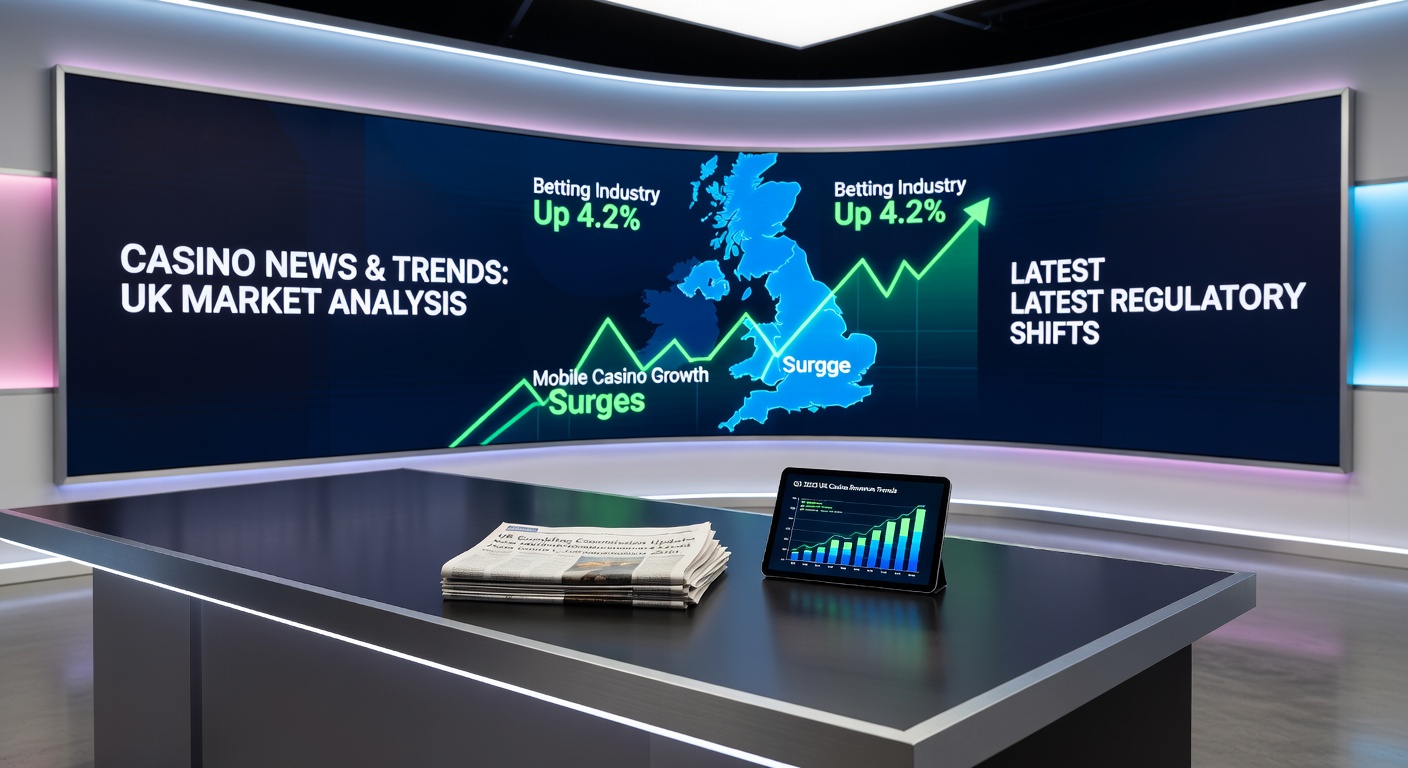
UK Betting and Gaming Council Unveils 'Spot The Black Market' Quiz to Expose Illegal Gambling Sites
A New Tool in the Fight Against Unregulated Gambling
On March 10, 2026, the Betting and Gaming Council (BGC) in the UK rolled out an interactive online quiz named “Spot The Black Market,” designed specifically to equip consumers with the skills needed to detect unregulated and illegal gambling websites; through a series of mock screenshots, participants learn to identify key warning signs, such as the absence of a visible UK Gambling Commission licence number, which legitimate operators must display prominently. This initiative comes at a time when black market operators increasingly mimic the look and feel of licensed platforms, blurring the lines for everyday players who might otherwise stumble into unsafe territory without realizing it.
What's interesting here is how the quiz turns education into something hands-on and engaging, rather than just another dry warning page; users navigate through simulated gambling sites, spotting red flags like missing licence details, unclear terms, or promises that seem too good to be true, and in doing so, they build a sharper eye for the real thing. According to the BGC's announcement via Yogonet, the tool addresses ongoing concerns about consumer safety in the UK's gambling sector, where unregulated sites fail to follow essential player protection rules, leaving bettors vulnerable to issues like unfair odds, sudden account closures, or worse, no recourse if things go south.
How the Quiz Works: Spotting the Fakes
Participants dive right into scenarios that mirror real-world encounters with gambling sites, examining homepage layouts, footer sections, and promotional banners for telltale signs of illegitimacy; for instance, one mock screenshot might show a flashy interface promising massive bonuses without any licence badge from the UK Gambling Commission, while another hides its operator details in fine print that's easy to overlook. The quiz prompts users to decide quickly—safe or shady?—and provides instant feedback, explaining why certain elements scream black market, such as the lack of age verification prompts or affiliations with recognized payment processors that licensed sites typically use.
But here's the thing: these aren't abstract lessons; experts who've reviewed similar educational tools note that interactive formats like this stick better because they simulate pressure situations where players make snap judgments, much like scrolling through ads during a big match. Take one common trap the quiz highlights—sites that copy the branding of well-known UK bookmakers but operate from offshore servers without oversight; users learn to hover over links, check for HTTPS security combined with proper licensing, and verify contact info that leads back to legitimate UK addresses rather than vague international ones.
And while the quiz keeps things straightforward, it packs in details about what regulated sites must do under UK law, from contributing to responsible gambling funds to implementing self-exclusion tools like GamStop; unregulated operators dodge all that, which means no safeguards against problem gambling or disputes over winnings. People who've tested early versions report finishing in under 10 minutes yet walking away with confidence to audit any site before depositing.
The Growing Shadow of Black Market Gambling in the UK
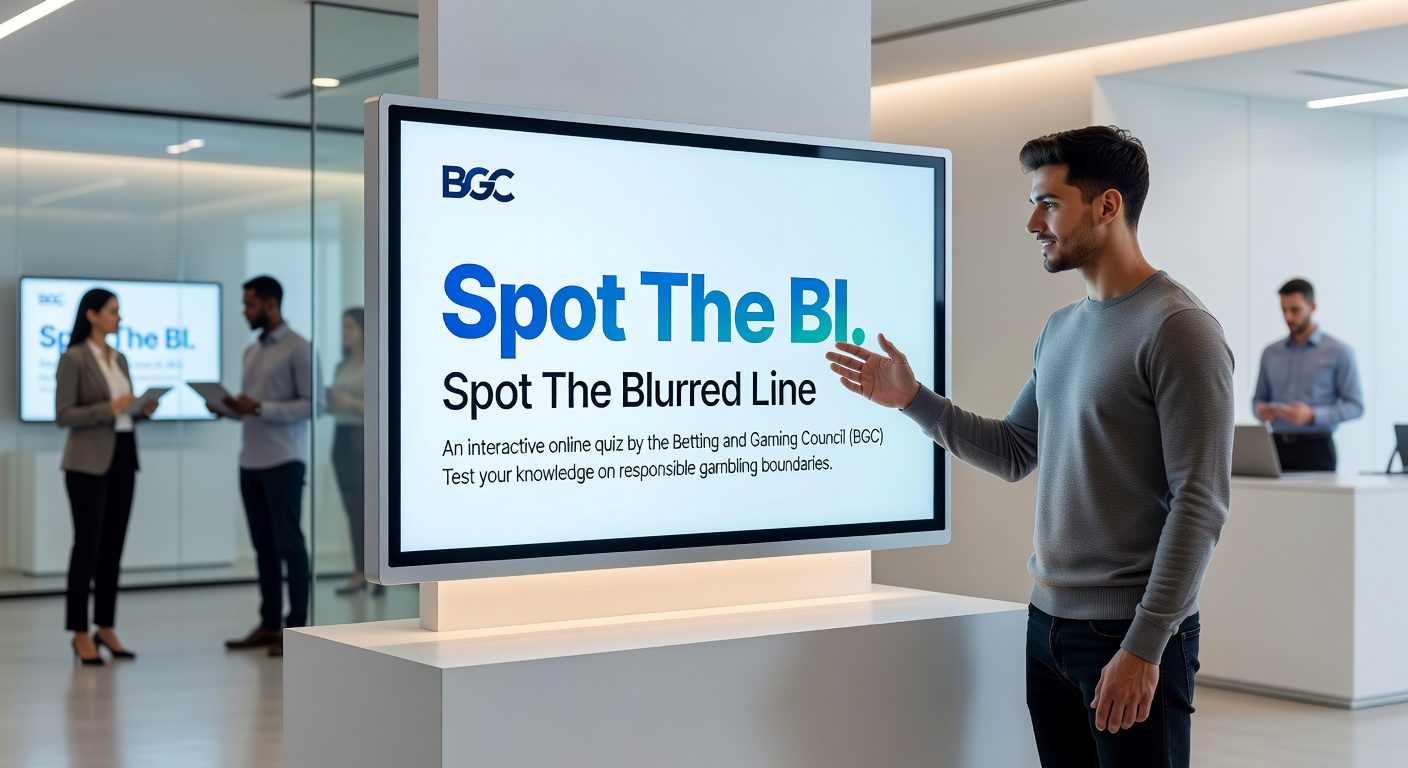
Black market gambling has loomed large over the UK sector for years, with operators luring players via aggressive marketing on social media or search engines, often targeting those frustrated by stricter affordability checks on licensed platforms; a BGC-commissioned report from 2024 revealed £5.7 billion staked on such sites, underscoring the scale of the problem even as regulators crack down. That's where initiatives like “Spot The Black Market” fit in, empowering individuals to sidestep these pitfalls before they become statistics in enforcement reports.
Observers note that illegal sites thrive by undercutting regulated competitors—no taxes mean flashier odds or bonuses—but the cost to players shows up in withheld payouts, data breaches, or addiction without support; the BGC emphasizes how licensed operators invest heavily in tools like deposit limits and reality checks, protections absent in the shadows. Now, with the quiz live online and shareable via social channels, word spreads quickly among football fans, casino enthusiasts, and casual punters who might otherwise click through from a dodgy tip.
It's noteworthy that this launch aligns with broader industry pushes for education amid regulatory shifts; for example, the quiz reinforces messages from campaigns like GambleAware, where data indicates that awareness of licensing cuts risky behavior significantly. Those who've studied black market trends point out how mimics evolve—adding fake licence numbers or testimonials—but core flaws like no UKGC linkage remain dead giveaways, exactly what the quiz drills home through repeated practice rounds.
Risks Highlighted and Player Protections Explained
Unregulated sites pose multilayered dangers, from financial losses due to rigged games that licensed platforms audit rigorously, to personal data sold on dark web markets without consent; the BGC's quiz breaks this down visually, showing side-by-side comparisons where legit sites flaunt their UKGC badges (often hyperlinked for verification) alongside tools for setting time or money limits. Players often discover, after the fact, that black market wins evaporate when withdrawal time hits, with excuses ranging from “technical issues” to outright ghosting.
Yet the quiz doesn't stop at warnings; it celebrates the positives of regulated gambling, like faster payouts via trusted methods (think PayPal or Visa with buyer protections) and access to the Independent Betting Adjudication Service for disputes. Experts have observed that quizzes like this boost compliance rates elsewhere—similar tools in Australia saw a 20% drop in illegal site visits post-launch—hinting at potential ripple effects in the UK.
So users emerge not just cautious, but informed advocates; they share scores on leaderboards (anonymized, of course), turning learning into a game that rivals the thrill of actual bets. And since it's mobile-friendly, it reaches commuters eyeing odds during rush hour or friends splitting bills at the pub.
Broader Impact and Industry Response
The BGC positions this quiz as a proactive strike in a cat-and-mouse game with illicit operators who adapt fast to enforcement; recent crackdowns shuttered hundreds of domains, but new ones pop up weekly, often sponsored by crypto schemes that evade traditional tracking. Data from the UK Gambling Commission shows licensed sites handle over 90% of the market, yet black market bleed remains stubborn, fueled by perceptions of easier access.
Here's where it gets interesting: by focusing on consumer empowerment over top-down bans, the BGC taps into self-regulation trends that regulators endorse; participants who ace the quiz get badges or certificates shareable on profiles, subtly shifting social norms around safe betting. One researcher tracking gambling education noted how such tools demystify the space, making “check the licence first” as routine as buckling up.
While the quiz launched quietly on March 10, 2026, uptake has been swift, with shares spiking among affiliate communities and forums where punters swap site recs. That said, challenges persist—non-English speakers or tech novices might need more guidance—but the BGC plans expansions, like video walkthroughs or partnerships with influencers.
Conclusion: A Smarter Path for UK Bettors
In the end, “Spot The Black Market” stands as a timely, accessible weapon against an elusive foe, teaching through doing what lectures often can't; as black market stakes hit billions and mimicry grows sophisticated, tools like this bridge the gap between regulation and reality, ensuring more players stick to sites where protections match the promises. The BGC's move signals confidence in educated consumers steering the market toward safety, one quiz at a time—because when people know what to spot, the shadows lose their appeal.