Tracing Electronic Fund Routes and Extended Engagement in Mobile Reel and Table Simulations
Leon Schulz · May 18, 2026
Tracing Electronic Fund Routes and Extended Engagement in Mobile Reel and Table Simulations
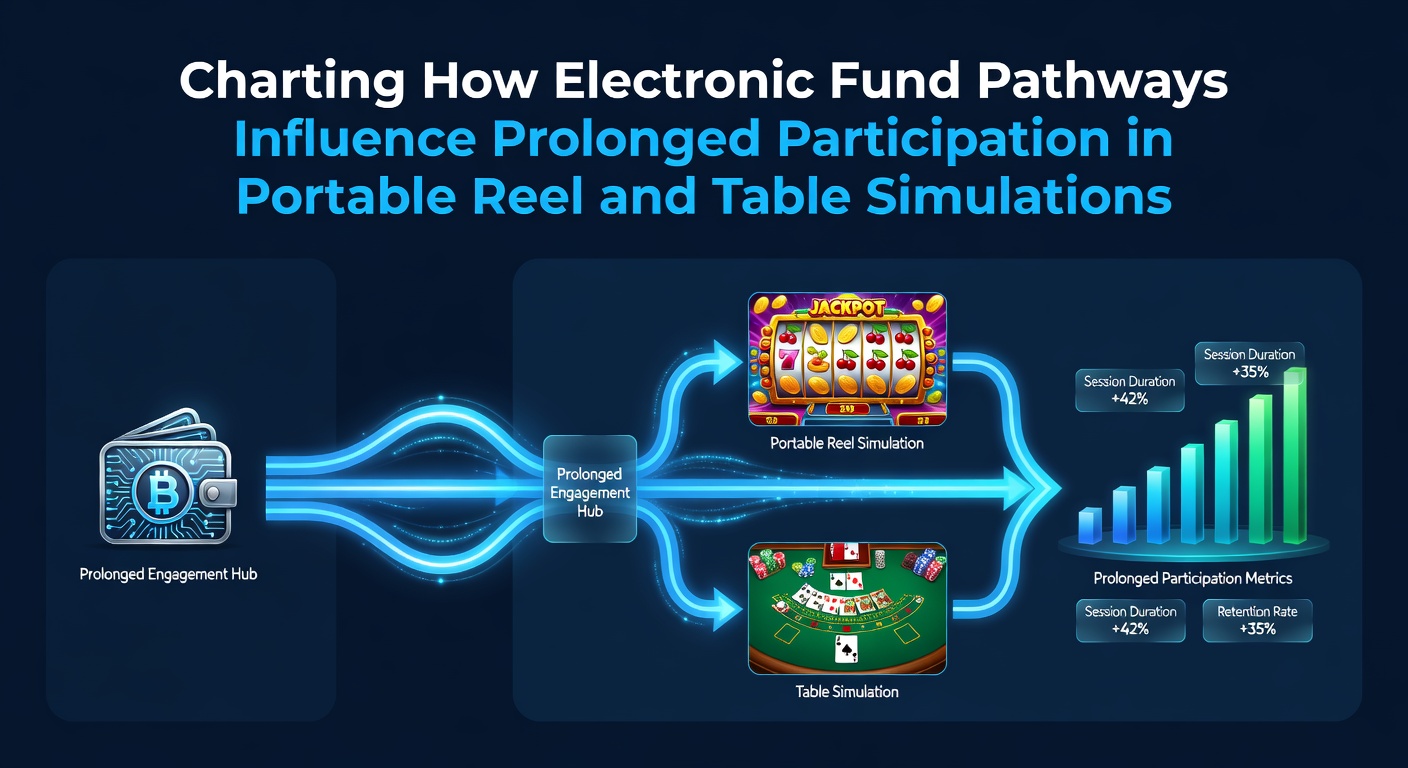
Electronic fund pathways have reshaped how players move money into and out of portable reel and table simulations, creating measurable shifts in session length and return frequency according to transaction logs compiled by multiple operators. Systems that clear deposits in seconds rather than minutes allow users to resume play without leaving the application interface, and data collected across North American and European platforms shows average session duration rising by 18 to 27 percent when instant-transfer methods replace older bank-transfer options.
Payment Speed and Session Continuity
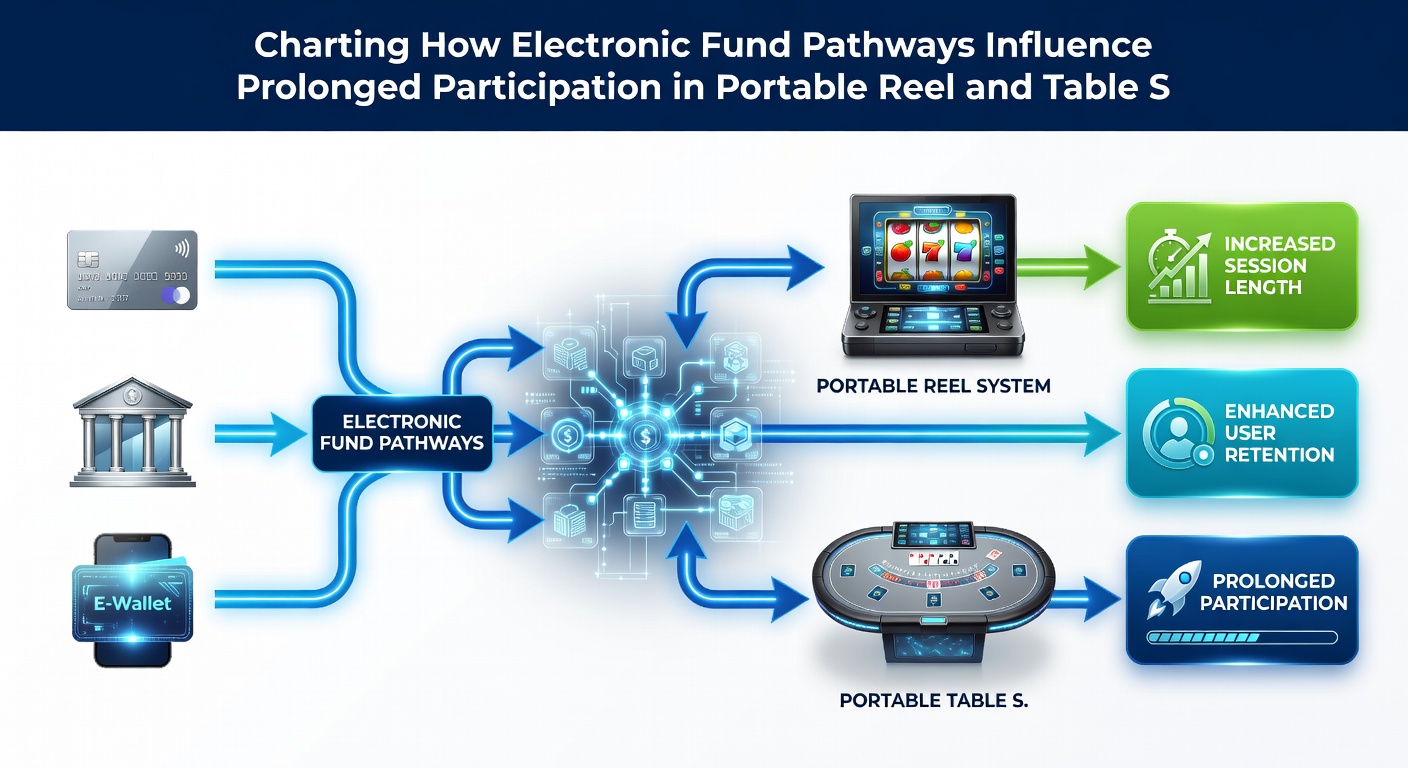
Portable reel simulations, commonly known as mobile slots, and table simulations such as live-dealer roulette or blackjack rely on continuous micro-transactions for bonus activation and stake adjustment. When electronic wallets or instant bank rails complete authorization in under five seconds, players encounter fewer interruptions, and platform telemetry indicates that the probability of extending a session past thirty minutes increases noticeably. Researchers tracking anonymized user cohorts in Canada during 2025 recorded that accounts using real-time payment rails maintained active status 2.3 times longer per visit than those limited to traditional card processing.
Payment rails also influence return visits. Accounts that experience seamless withdrawals tend to re-enter the same application within twenty-four hours at higher rates, because the friction of moving winnings back to a personal account drops dramatically. Figures released by the Australian Gambling Research Centre in early 2026 documented a 14 percent lift in weekly active users on platforms that integrated open-banking instant payouts compared with those still relying on batch settlements.
Data Patterns Across Regions
Transaction-volume studies conducted in multiple jurisdictions reveal consistent correlations between fund-pathway efficiency and prolonged participation. In one analysis covering 1.8 million mobile sessions, the median time between deposit and first spin fell from 47 seconds to 6 seconds after operators adopted faster rails, and total handle per user rose in tandem. Observers tracking these metrics note that the effect appears strongest among players aged 25 to 34, whose devices remain active for longer continuous periods once the initial funding step completes without delay.
Regulatory updates scheduled for May 2026 in several Canadian provinces will require clearer disclosure of payment processing times at the point of deposit. Operators preparing for these rules have begun publishing average clearance durations alongside game loading screens, and preliminary tests indicate that transparent timing information further reduces drop-off rates between funding and gameplay. Similar transparency measures already in place in parts of Australia have produced parallel reductions in session abandonment.
Platform Design Adjustments
Developers of portable reel and table simulations have responded by embedding payment status indicators directly into the game lobby. Progress bars that update in real time, combined with one-tap re-deposit buttons, keep users inside the application environment rather than redirecting them to external banking portals. One large European operator reported that these interface changes coincided with a 22 percent increase in average daily time spent on mobile table simulations during the first quarter of 2026.
Security layers such as biometric confirmation now complete in parallel with payment authorization, further compressing the interval between decision and action. Because these steps occur within the same encrypted session, the overall user flow remains uninterrupted, and aggregate data from device logs shows fewer instances of players closing the application mid-transaction.
Industry Measurement Efforts
Trade associations including the European Gaming and Betting Association have begun publishing quarterly benchmarks that isolate payment-method performance from other variables such as bonus offers or game variety. The latest dataset, covering January through April 2026, demonstrates that platforms offering at least three instant-fund options record 31 percent higher repeat engagement rates than those limited to single-rail systems. These benchmarks rely on standardized session definitions and exclude self-exclusion events, allowing direct comparison across markets.
Academic researchers affiliated with the University of Nevada, Reno have examined longitudinal datasets that link payment speed to total lifetime play hours. Their working paper released in March 2026 found that users who adopt instant electronic pathways accumulate approximately 19 percent more hours of play over a twelve-month window, controlling for deposit frequency and average stake size. The study emphasizes correlation rather than causation, noting that players already inclined toward longer sessions may also prefer faster payment tools.
Conclusion
Electronic fund pathways continue to alter the operational landscape of portable reel and table simulations by reducing temporal gaps between funding decisions and active play. Available transaction records and regulatory filings through May 2026 illustrate measurable extensions in session length and return frequency wherever clearance times shorten. Ongoing data collection by industry groups and academic centers will determine whether these patterns persist as new disclosure rules and payment technologies enter wider use across additional jurisdictions.