Tracing Digital Wallet Pathways That Activate Extended Reel Sequences and Real-Time Table Interactions on Portable Platforms
Jordan Franke · Jul 13, 2026
Tracing Digital Wallet Pathways That Activate Extended Reel Sequences and Real-Time Table Interactions on Portable Platforms
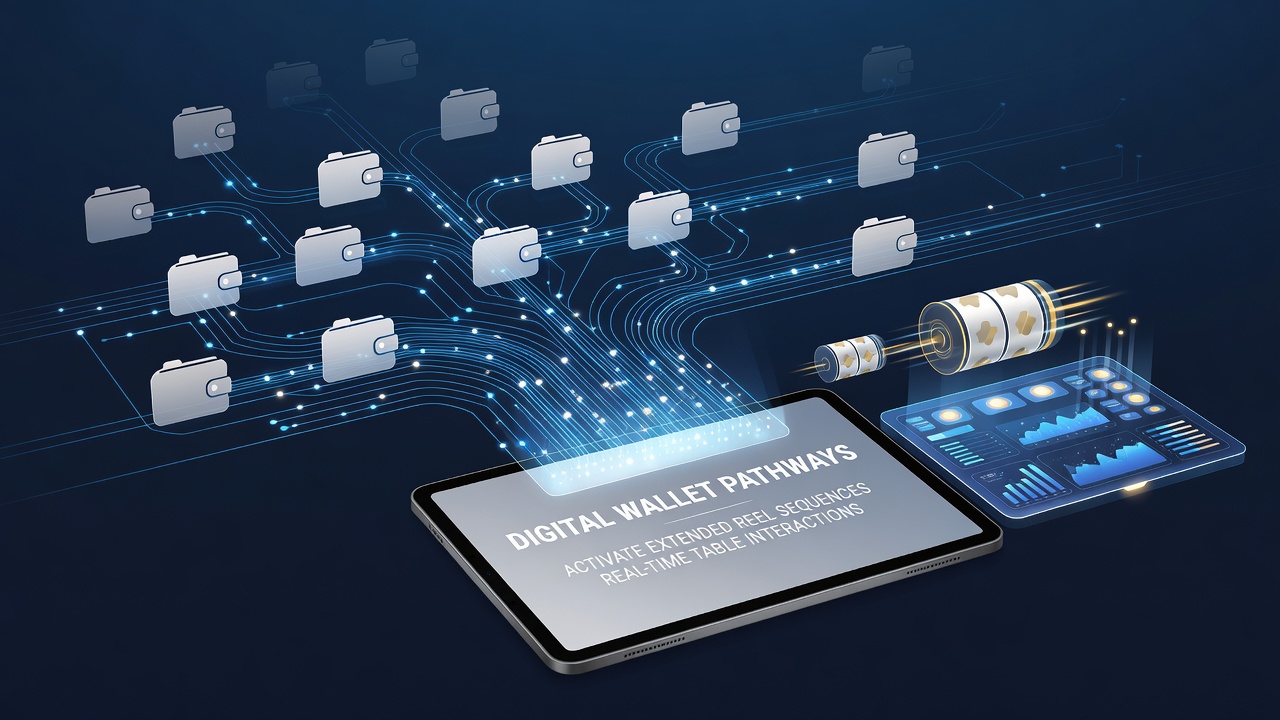
Digital wallet pathways operate through layered authentication layers that connect user accounts directly to backend servers on portable devices, enabling sequences where reel cycles extend beyond standard spins once transaction confirmations reach the platform. These pathways rely on API handshakes that verify funds in milliseconds, triggering bonus reel extensions in slot mechanics while simultaneously opening real-time table modules for card and roulette interactions. Observers note that portable platforms process these routes via encrypted channels that maintain session continuity across varying network conditions.
Core Mechanics of Wallet Integration
Payment initiation begins when the mobile application routes a wallet authorization request through secure token exchanges, after which the system confirms balance availability and allocates credits that unlock extended reel sequences lasting additional rotations. Research from industry reports indicates that these confirmations also activate live dealer streams, allowing players to enter table sessions without separate logins. Data from mobile transaction logs shows that the same wallet thread often handles both slot extensions and table entries in parallel, reducing latency between feature activations.
Sequence Activation Patterns
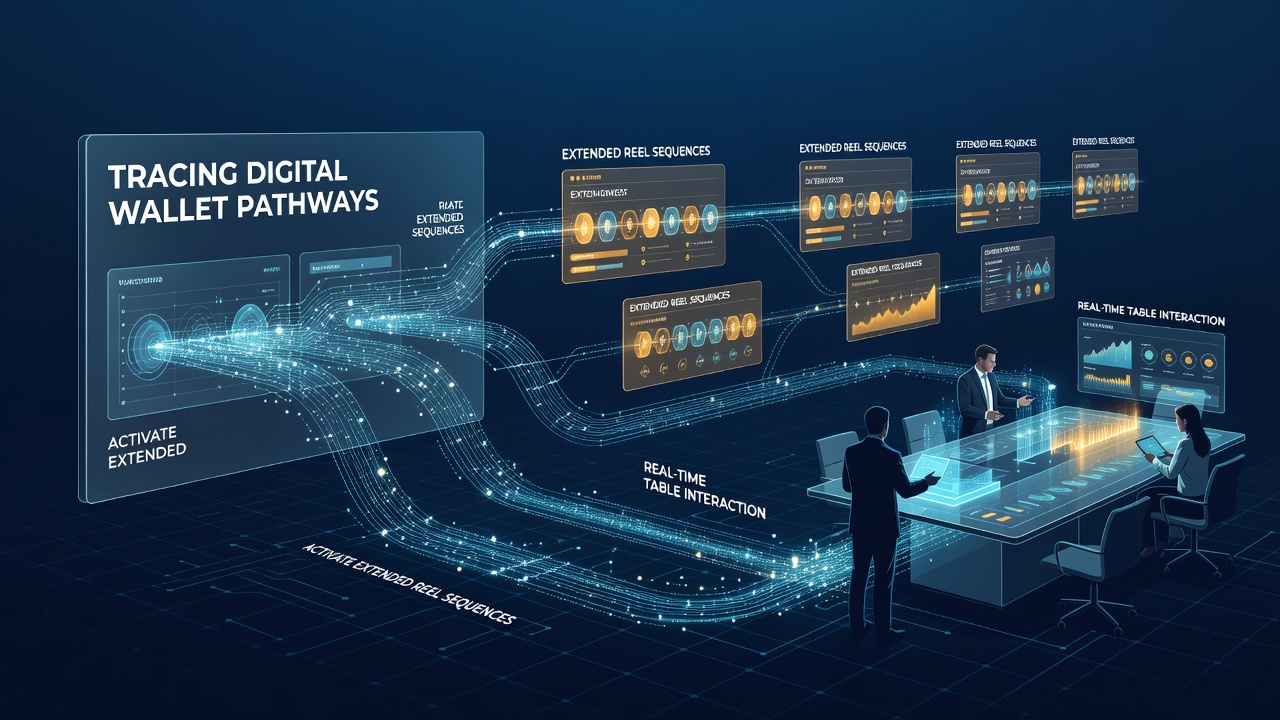
Extended reel sequences activate once the wallet pathway completes a two-step verification that includes device fingerprinting followed by transaction hashing, resulting in bonus multipliers applied across multiple spins. Those who monitor platform telemetry report that real-time table interactions follow immediately after the same hash validation, permitting live dealer engagement on the same device screen. Figures from aggregated usage metrics reveal that pathways handling both features simultaneously account for higher session durations compared with single-feature routes.
Portable Platform Constraints and Routing
Mobile operating systems impose bandwidth limits that force wallet pathways to prioritize compressed data packets during reel sequence extensions and table stream handoffs. Engineers have documented cases where adaptive routing adjusts packet sizes based on signal strength, ensuring that jackpot reel chains and dealer video feeds continue without interruption. In July 2026, platform updates incorporated improved compression algorithms that further stabilized these dual-purpose pathways across major device ecosystems.
One study released by the National Indian Gaming Commission examined transaction flow efficiency in mobile environments and found that integrated wallet routes reduced activation times for extended sequences and table sessions by measurable margins. Another analysis from the Australian Institute of Criminology highlighted similar patterns in cross-border portable gaming data, noting consistent use of token-based verification to maintain feature continuity.
Security Layers in Dual-Feature Pathways
Encryption protocols wrap each wallet transaction in multi-factor shells that protect both reel extension triggers and table interaction streams from interception attempts. Developers embed these shells at the application level so that portable devices can verify pathway integrity before granting access to prolonged spin cycles or dealer tables. Logs from security audits demonstrate that pathways failing any encryption checkpoint halt both features until re-authentication succeeds.
Data Flow and Session Management
Session tokens generated by the initial wallet handshake persist through extended reel sequences and carry over to real-time table modules, allowing seamless transitions without repeated fund checks. Platform analytics indicate that this token persistence supports continuous play across different game types on the same device. Observers tracking July 2026 usage patterns noted increased adoption of persistent token models that streamline the entire pathway from deposit to feature activation.
Conclusion
Digital wallet pathways that link extended reel sequences with real-time table interactions continue to evolve through refined API structures and adaptive routing on portable platforms. Metrics gathered across multiple regions confirm that these integrated routes maintain operational stability while supporting simultaneous feature access. Continued monitoring of transaction flows provides further insight into how such pathways scale with growing mobile usage volumes.