The Hidden Links Between Banking Choices and Bonus Longevity in Smartphone-Based Casino Activities
Jordan Franke · May 29, 2026
The Hidden Links Between Banking Choices and Bonus Longevity in Smartphone-Based Casino Activities
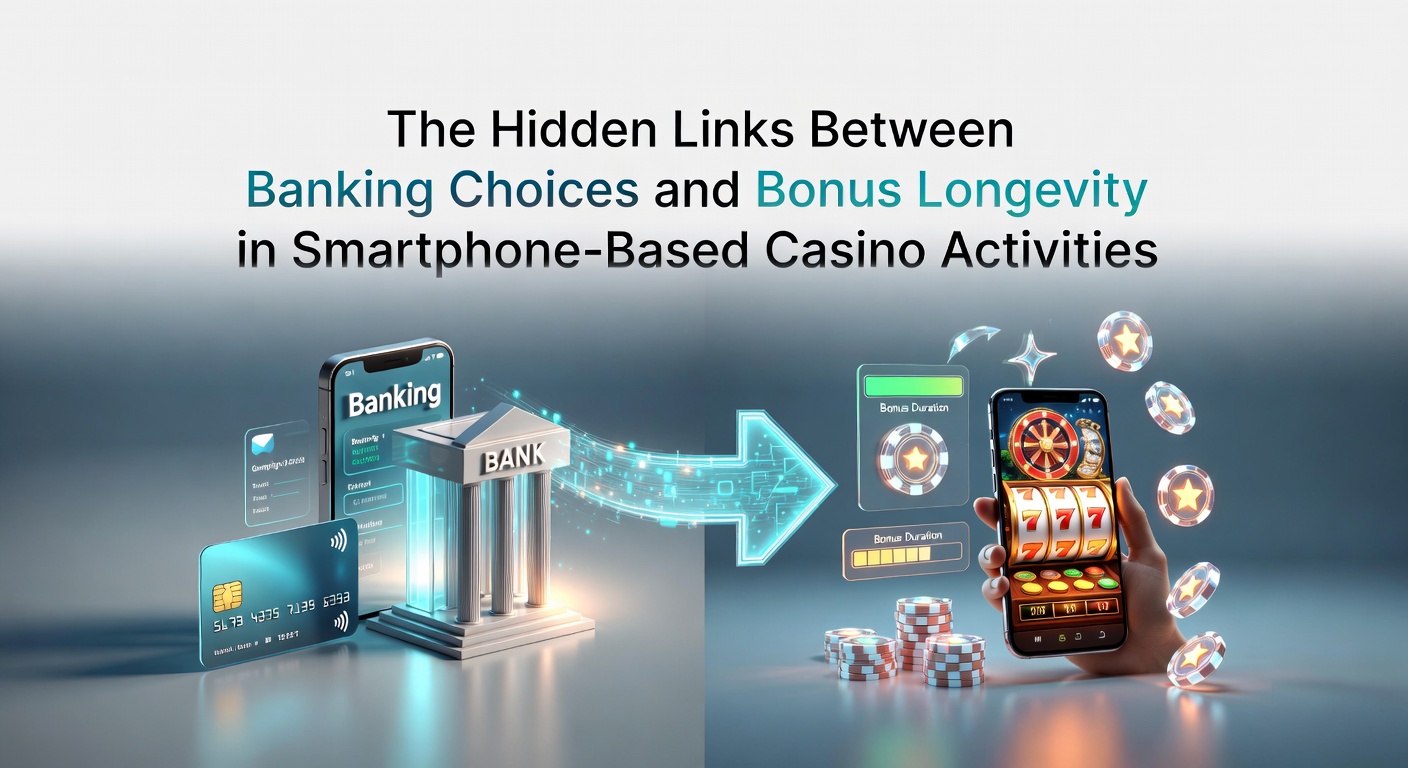
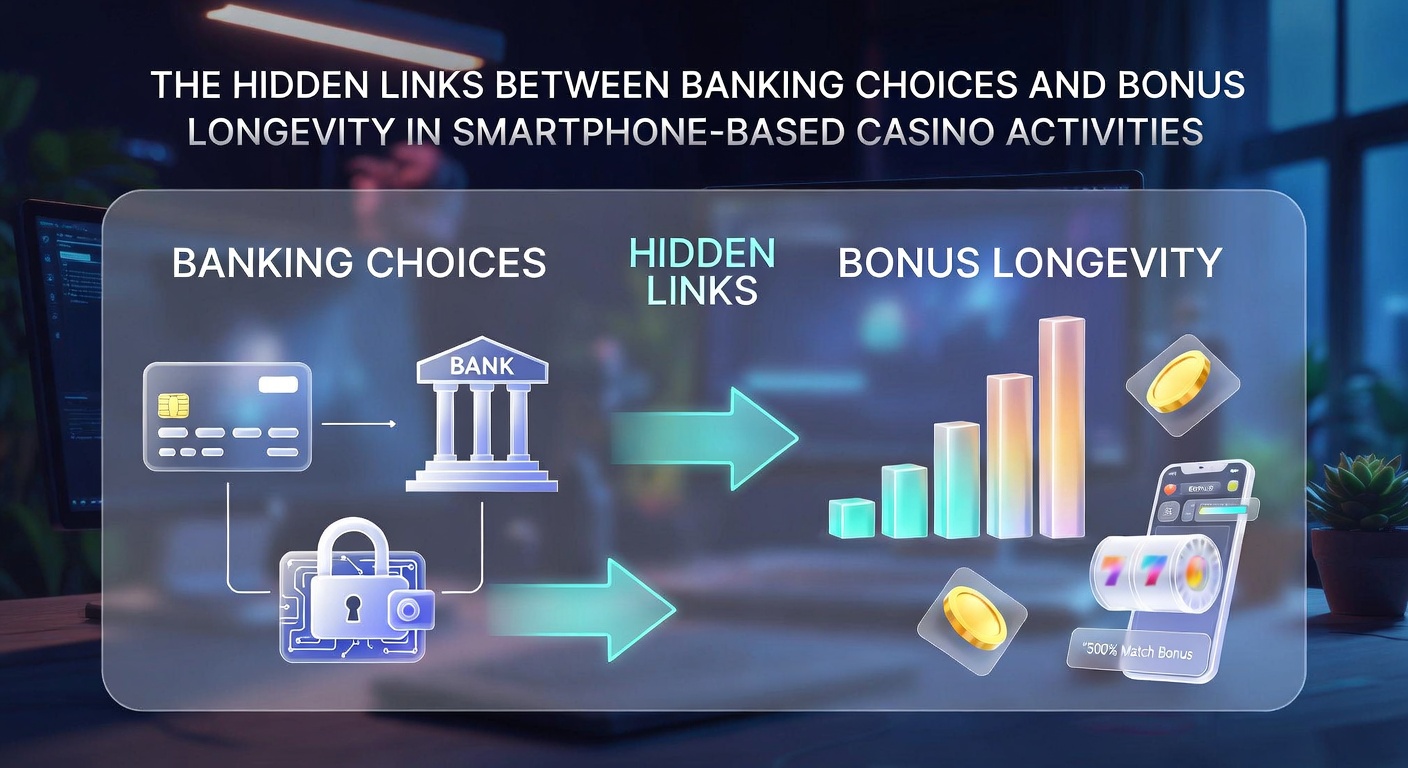
Banking selections in smartphone casino platforms connect directly to how long promotional credits remain active and usable, since transaction speed, verification protocols, and fee structures determine whether players complete wagering requirements before expiration dates arrive. Research from multiple industry analyses shows that payment methods with instant processing allow users to initiate play immediately, which extends the effective window for meeting playthrough conditions compared to slower options like traditional bank wires that may take one to three business days to clear.
Common Banking Options in Mobile Casino Environments
Smartphone users typically select from e-wallets, prepaid cards, direct bank transfers, and cryptocurrency services when funding accounts or cashing out winnings. Each category carries distinct processing timelines and compliance steps that intersect with bonus rules, because operators often tie promotional validity periods to the moment funds become available for betting. Data indicates that e-wallet transactions frequently complete within minutes, enabling players to apply bonuses right away and begin accumulating the required wager volume without losing calendar days to delays.
Prepaid card methods follow similar quick timelines in many cases, whereas bank transfers introduce longer holding periods that can shorten the usable lifespan of time-sensitive offers. Observers note that cryptocurrency transfers, once confirmed on the blockchain, also provide rapid access, though network congestion occasionally extends confirmation times and affects bonus activation windows. Those who've examined transaction logs across platforms report that these timing differences become especially pronounced during high-volume periods when multiple users attempt simultaneous deposits.
How Banking Choices Influence Bonus Duration and Usability
Bonus longevity depends on the interval between deposit confirmation and the completion of associated playthrough obligations, which means payment methods that minimize delays give users more calendar time to satisfy conditions. Studies show that platforms often set bonus expiration at 30 days from credit, yet the actual usable period shrinks when deposits take additional days to process, because the clock starts upon funding rather than upon bonus claim. Evidence suggests faster methods preserve more of that original window, allowing players to spread sessions across multiple days instead of rushing through requirements in compressed timeframes.
Verification requirements tied to certain banking providers add another layer, since identity checks triggered by larger transactions can pause bonus availability until documents clear. Researchers have documented cases where users selecting bank transfers encountered extended review periods that consumed several days of the promotional term, whereas those using established e-wallets with prior verification bypassed these holds entirely. What's interesting is how fee structures also play a role, because withdrawal charges on some methods reduce net balances available for continued play and indirectly pressure users to meet bonus targets more quickly before funds dwindle.
Smartphone Platform Specifics and Transaction Patterns
Mobile operating systems and app architectures further shape these interactions, because in-app payment integrations often prioritize speed for e-wallet and card options while routing bank transfers through external processors. Figures reveal that users who rely on integrated mobile payment services complete deposits at higher rates during short sessions, which helps maintain momentum toward bonus completion without the interruptions common in desktop-to-mobile handoffs. Those monitoring app analytics note that session continuity improves when banking choices align with low-latency pathways, reducing the chance that bonus terms lapse during device switches or network transitions.
A report released in May 2026 by the Nevada Gaming Control Board examined transaction data from licensed mobile operators and found measurable correlations between deposit method and average bonus utilization rates. The analysis highlighted that instant options correlated with higher percentages of players reaching full wagering thresholds before deadlines, while slower methods showed increased instances of unused or partially consumed credits. Experts have observed similar patterns in other jurisdictions, where regulatory filings indicate operators adjust bonus structures partly in response to the dominant payment preferences within their user bases.
Industry Data on Payment Trends and Promotional Outcomes
Broader industry reports connect banking preferences to overall retention metrics in smartphone casino segments. According to findings published by the American Gaming Association, mobile players increasingly favor methods that support seamless deposits and withdrawals, and platforms respond by aligning promotional calendars with those preferences to maximize engagement. This alignment means operators may extend bonus validity or reduce minimum deposit thresholds for certain payment types, creating indirect links between user choices and how long incentives remain viable.
Take one analysis of transaction volumes that revealed e-wallet users accessed bonus features more consistently across consecutive days, whereas bank transfer users showed clustered activity immediately after funds cleared. Such patterns suggest that the initial banking decision sets a trajectory for how promotional resources get deployed over time, influencing both individual outcomes and aggregate platform statistics. Academic examinations of mobile gambling behavior have also noted that users who select faster methods report fewer instances of bonus forfeiture due to timing constraints.
Conclusion
The connections between banking selections and bonus longevity in smartphone casino activities emerge through measurable factors including processing speed, verification timelines, and fee impacts that collectively determine how much of a promotional period remains available for active play. Data from regulatory and industry sources continues to illustrate these relationships across different markets and platforms, providing clear indicators for how payment infrastructure shapes promotional effectiveness without requiring subjective interpretation. As mobile technologies evolve, ongoing monitoring of transaction patterns offers further insight into these dynamics.