Synchronizing Transaction Velocities With Layered Incentive Protocols in Mobile Slot Mechanisms and Live Dealer Interfaces
Jordan Franke · Jul 8, 2026
Synchronizing Transaction Velocities With Layered Incentive Protocols in Mobile Slot Mechanisms and Live Dealer Interfaces
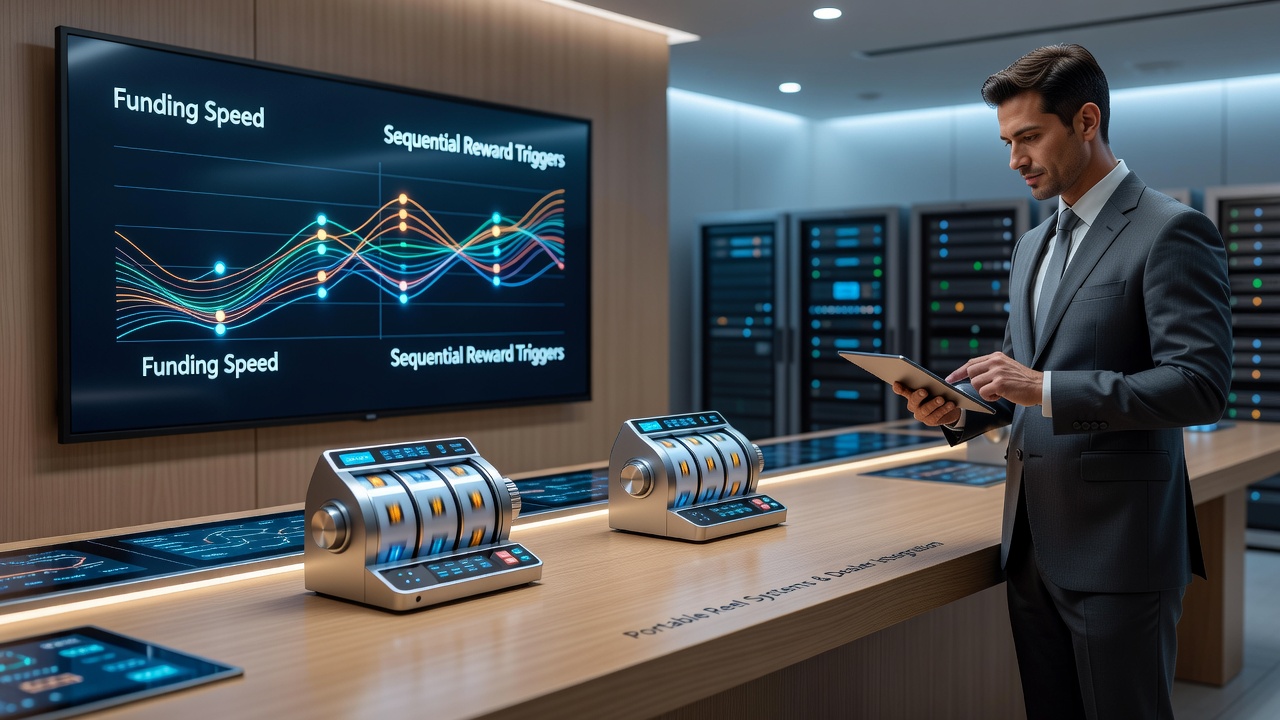
Operators across digital gaming platforms have directed attention toward aligning the speed of funding processes with the sequential activation of reward triggers, a practice that spans portable reel systems and live dealer tables, and data from industry monitoring groups shows this coordination reduces latency between deposits and bonus deployments while maintaining regulatory compliance standards. Systems now route transaction confirmations directly into reward engines so that free spin allocations or progressive jackpot entries activate without manual intervention, and studies from research institutions confirm such integrations improve session continuity for users engaging with both mobile slots and table games.
Core Mechanics of Payment and Reward Coordination
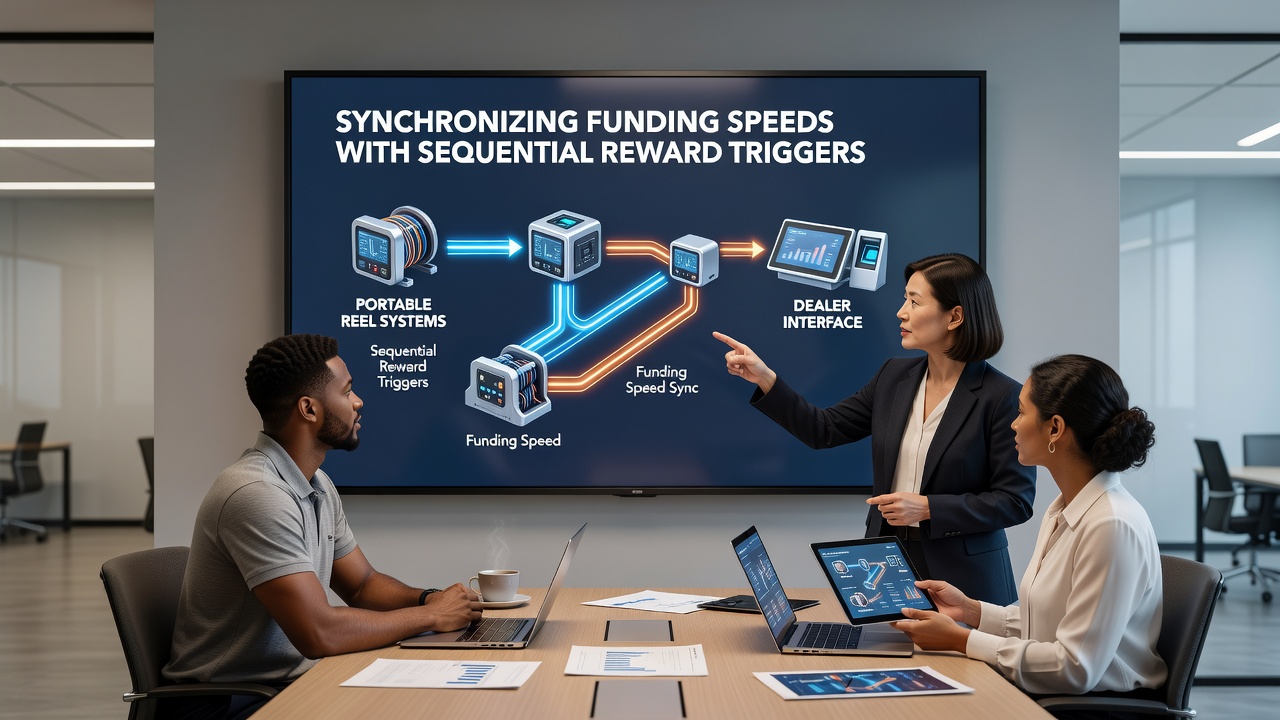
Portable reel systems rely on application programming interfaces that connect payment gateways to backend servers, allowing funds to clear in under three seconds before triggering initial reward layers such as welcome spin packages, while subsequent triggers release additional incentives based on wager thresholds or time-based milestones. Live dealer tables incorporate similar pathways where real-time video streams pause briefly during deposit verification yet resume immediately once sequential bonuses apply to ongoing roulette or blackjack rounds, and observers note that this reduces player drop-off rates during high-engagement periods. Research indicates the underlying architecture uses timestamped event logs to sequence rewards accurately across both environments, preventing overlaps that could violate platform rules.
Implementation Across Mobile Reel Platforms
Mobile reel platforms employ cloud-based synchronization modules that monitor deposit velocity in milliseconds and match it against predefined trigger points for rewards, enabling players to move from funding to spinning without exiting the application interface. One documented case involved a major operator deploying these modules in early 2026, resulting in measured increases in average session duration across handheld devices, whereas integration testing revealed that sequential triggers for progressive jackpots required separate queuing systems to avoid premature activation. Experts have observed that portable systems benefit particularly from this approach because device connectivity varies, yet the synchronization layer compensates by buffering confirmations until stable links establish.
Integration With Live Dealer Table Operations
Live dealer environments extend the same synchronization principles to table-side terminals where croupiers manage physical equipment alongside digital overlays that display applied rewards instantly after funding completes. Sequential triggers here often include loyalty point multipliers or side-bet enhancements that activate in order, and data collected during July 2026 platform upgrades demonstrated stable performance even during peak table occupancy. Those who manage dealer studios report that the combined reel and table systems share common reward servers, allowing cross-game progression where mobile slot achievements influence table bonus eligibility without separate logins or transfers.
Regulatory frameworks in multiple jurisdictions require audit trails for these synchronized events, and figures from the New Jersey Division of Gaming Enforcement indicate that compliant operators maintain logs capturing both transaction timestamps and reward activation sequences. This documentation supports dispute resolution and helps verify that sequential triggers follow published rules rather than arbitrary assignments.
Technical Considerations and Data Flow Patterns
Data packets carrying funding confirmations pass through encryption layers before reaching reward orchestration engines, and conjunctions between payment processors and gaming servers ensure sequential events fire in strict order without collision. Researchers at academic centers studying gaming technology have identified that latency spikes above five seconds disrupt the intended trigger chains, prompting operators to adopt edge computing nodes near user regions. What's interesting is how portable reel systems and dealer tables share these nodes, allowing unified monitoring dashboards to track performance across device types and game formats simultaneously.
Industry associations such as the European Gaming and Betting Association have compiled reports showing adoption rates of synchronized systems rising steadily through mid-2026, with emphasis on maintaining separation between funding speed metrics and reward probability calculations to preserve game integrity. Those who've examined the reports note that portable platforms achieve higher synchronization success rates than stationary terminals because mobile operating systems permit more granular push notifications for reward updates.
Conclusion
Coordination between funding velocities and sequential reward triggers continues to shape operational standards for portable reel systems and live dealer tables, with evidence from regulatory updates and technical evaluations confirming measurable impacts on session flow and compliance adherence. Continued refinement of these protocols supports consistent experiences across varied gaming formats while meeting the documentation requirements set by oversight bodies in different regions.