Mobile Gaming Platforms Grow Player Choices Through Aligned Transfers Between Slots and Live Tables
David Hartmann · Jun 1, 2026
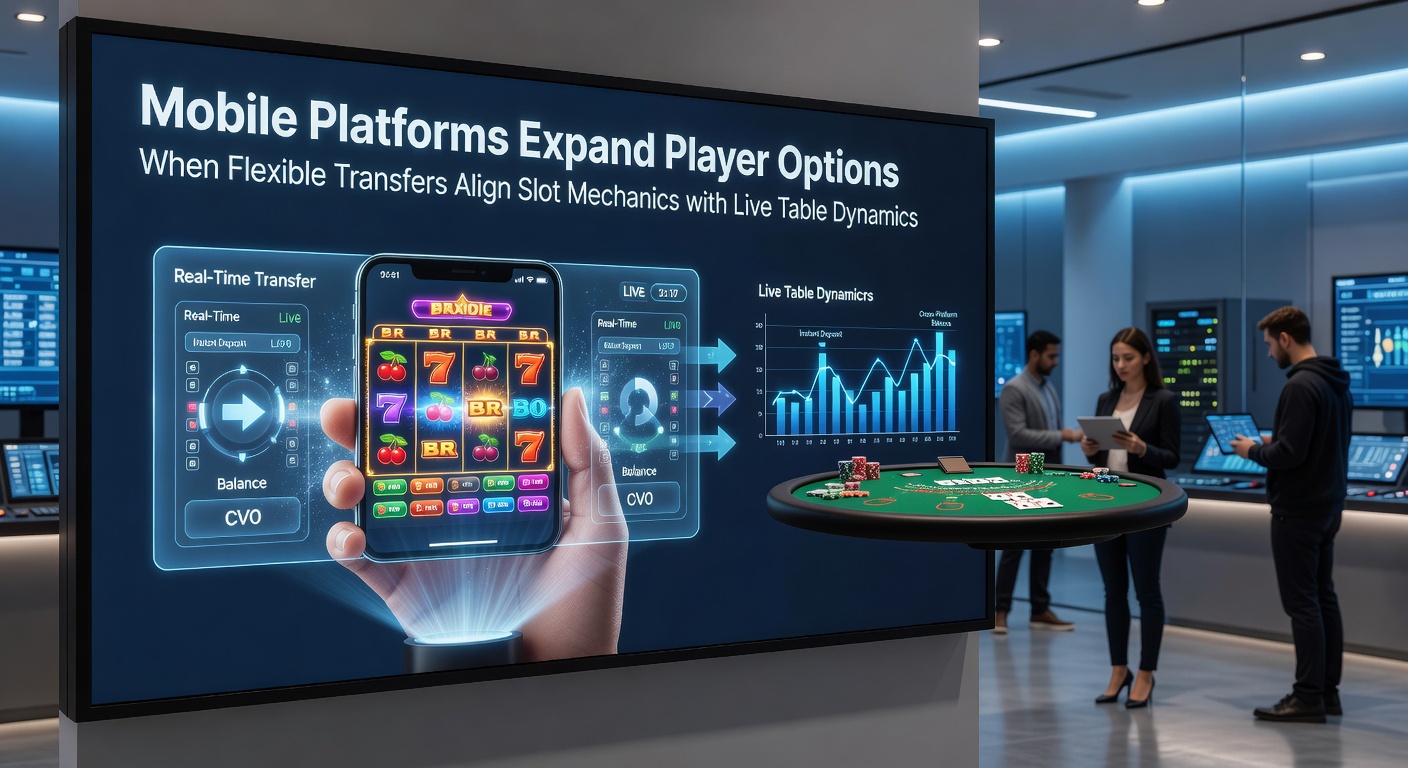
Mobile Gaming Platforms Grow Player Choices Through Aligned Transfers Between Slots and Live Tables
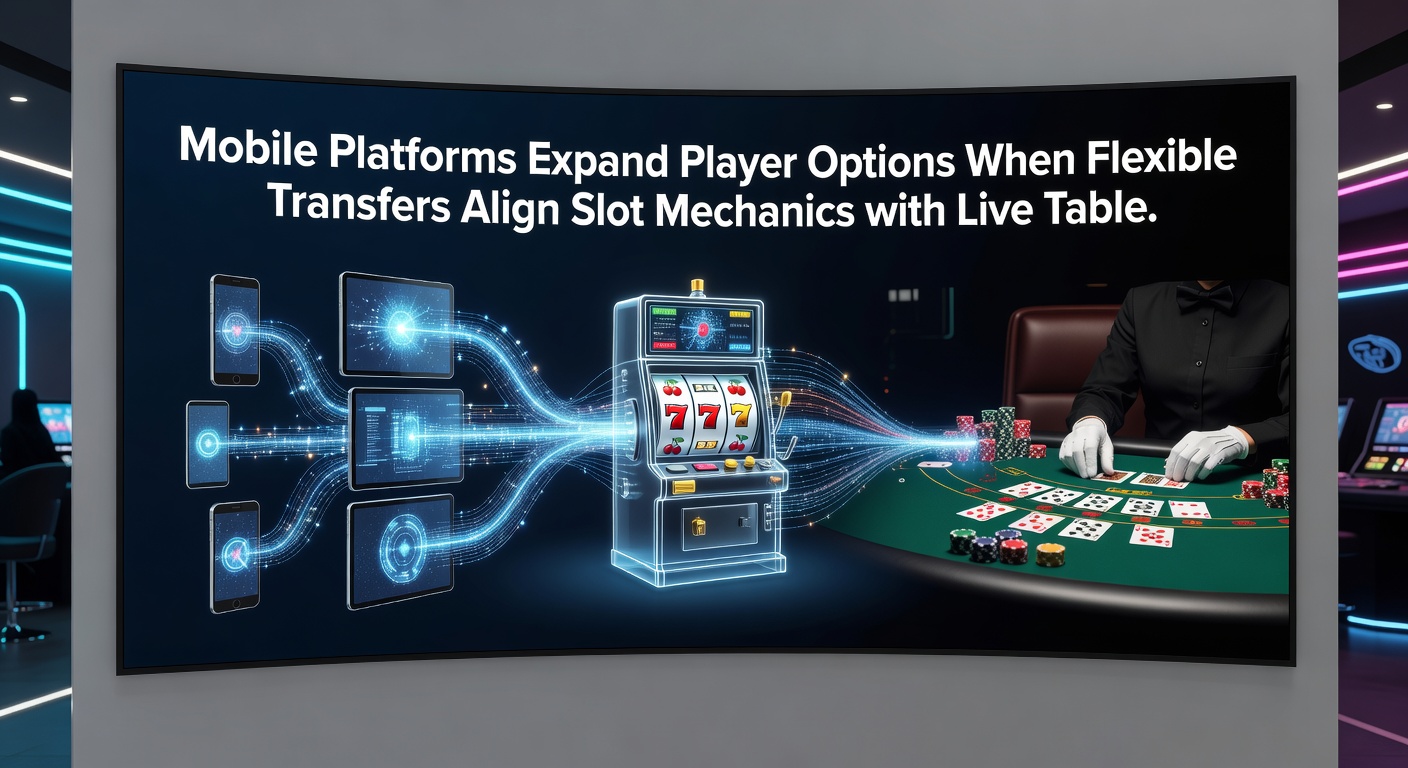
Observers note that mobile platforms have expanded player options significantly in recent years as flexible transfer systems connect slot mechanics directly with live table dynamics and this integration allows users to move between spinning reels and real-time dealer interactions without leaving their device or losing momentum during sessions.
Data from industry reports indicate that such alignments create smoother experiences where bonus features from slots can convert into table stakes and live game progressions feed back into reel bonuses while these mechanics rely on seamless payment flows that maintain session continuity across different game types.
Mechanics Behind teh Alignment
Researchers at various gaming technology firms have documented how slot mechanics now incorporate elements like multiplier carries and symbol collections that transfer into live table environments and players often find these features activate during roulette spins or blackjack hands when certain conditions from prior slot play are met and the process uses real-time data synchronization to adjust odds or award instant credits without requiring separate logins or reloads.
Studies show this approach draws from broader trends in app development where APIs handle cross-game state management and companies have implemented these tools to reduce friction that previously forced users to exit one section and start another from scratch and the result appears in higher engagement metrics tracked by operators across multiple regions.
Role of Flexible Transfers in Player Options
Flexible transfers stand at the center of these expansions because they enable instant movement of funds and progress markers between slot sessions and live dealer tables while users select from deposit methods that support immediate conversions such as e-wallets or integrated banking options and these systems update balances in seconds so that a jackpot win on reels can fund a live poker entry right away.
Evidence from platform analytics reveals that sessions incorporating both game styles last longer on average and users explore more variations when transfers feel effortless and developers have refined these pathways since early 2025 to include predictive loading that anticipates player shifts based on recent activity patterns.
What's interesting is how these mechanics also tie into promotional structures where free spin rewards from slots roll directly into live table entry bonuses and operators report increased participation in hybrid events that combine elements from both formats during peak hours.
Current Developments and Regional Examples
According to figures from the American Gaming Association, mobile adoption rates continue climbing with hybrid game features contributing to overall revenue growth in several markets and similar patterns emerge in Canadian provinces where regulators track integrated platform performance through quarterly disclosures.
One case involves a major operator that launched transfer-enabled features in June 2026 across its European and North American apps and the update allowed slot progressions like wild symbol accumulations to influence live baccarat outcomes while live table wins triggered reel multipliers in subsequent sessions and user feedback collected through in-app surveys highlighted the convenience of maintaining a single wallet throughout these switches.
Academic reviews from institutions examining digital entertainment patterns have noted that such alignments reduce cognitive load for players who previously managed separate interfaces and balances and this efficiency shows in retention data that operators share during industry conferences.
Technical Foundations and Future Projections
Engineers have built these systems on cloud-based architectures that support low-latency updates between game servers and this infrastructure ensures that mechanics remain consistent whether a user plays on a phone during commute or switches to tablet at home and security protocols encrypt transfer requests to meet standards set by international gaming bodies.
Projections from research firms suggest continued expansion of these options into 2027 as more developers adopt unified engines capable of handling both automated reels and streamed dealer feeds and the ball's in the court of smaller studios to match the pace set by larger platforms already offering these features.
Conclusion
Overall the alignment of slot mechanics with live table dynamics through flexible transfers has broadened choices available on mobile platforms and data continues to show measurable impacts on session length and feature exploration while regulatory environments in multiple countries adapt reporting requirements to cover these integrated systems and observers expect further refinements that keep player movement between formats fluid and uninterrupted.