Digital Wallet Technologies Expanding Incentive Opportunities in Mobile Live Blackjack and Slot Progressives
Leon Schulz · Aug 19, 2026

Digital Wallet Technologies Expanding Incentive Opportunities in Mobile Live Blackjack and Slot Progressives
Wallet technology continues to evolve in ways that directly influence how players access incentives during portable sessions of live blackjack and progressive slot accumulations, with integration layers now handling verification and reward distribution in single streamlined processes. Data from payment systems in regulated markets shows reduced latency between deposit confirmation and bonus eligibility, which supports continuous play on mobile platforms without separate authentication steps. Observers note that these changes align with broader shifts toward real-time transaction networks that connect directly to gaming operators' backend systems.
Core Components of Modern Wallet Integration
Developers have focused on API frameworks that link digital wallets to both live dealer environments and reel-based progressive meters, allowing players to maintain active sessions across devices while incentives update automatically. Research indicates that protocols supporting instant settlement reduce the gap between funding a mobile account and qualifying for live blackjack rounds or contributions to jackpot pools. Those who monitor these systems report that multi-currency support and biometric confirmation layers have become standard features in many operator platforms by mid-2026.
August 2026 brought further refinements when several major wallet providers expanded their compliance modules to match updated technical standards issued by the Nevada Gaming Control Board, enabling faster cross-border incentive transfers for progressive accumulations. This development connects directly to mobile applications that track both live table outcomes and reel progress in unified dashboards.
Impact on Live Blackjack Accessibility
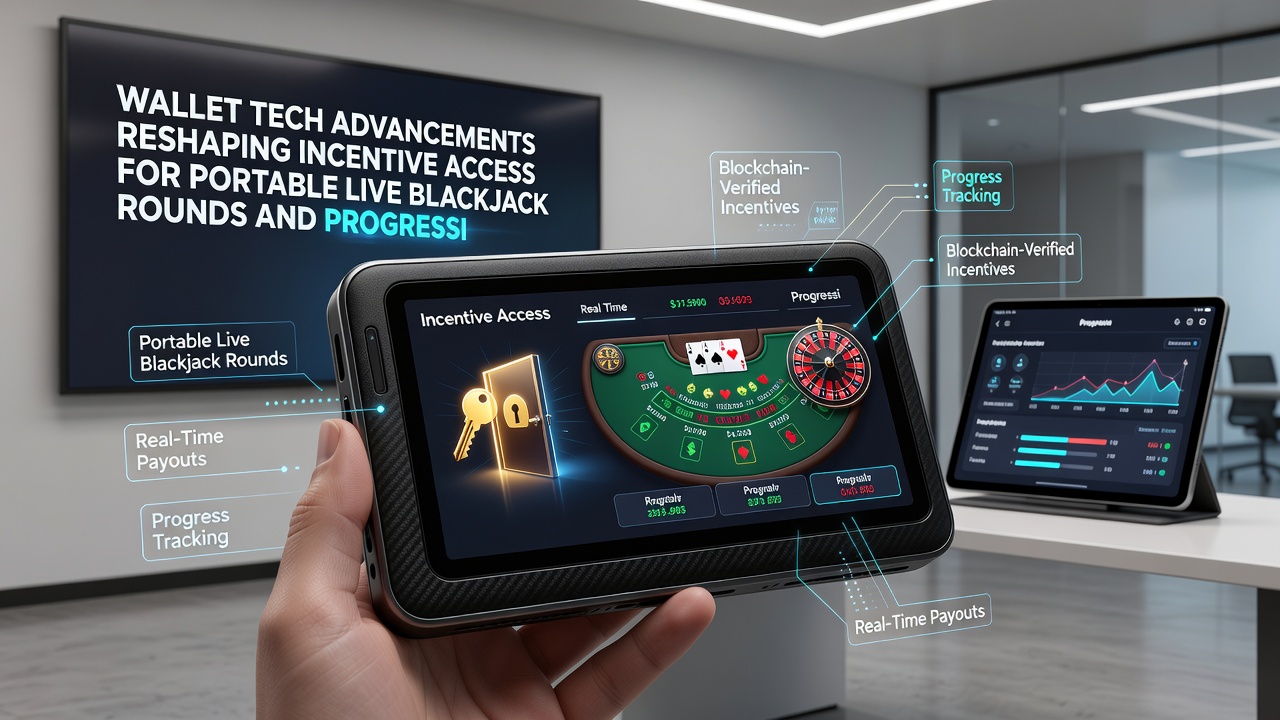
Live blackjack rounds on portable devices benefit from wallet advancements that handle real-time balance adjustments during dealer interactions, with data showing that players can now activate welcome incentives or reload rewards without exiting the game interface. Experts have observed that tokenization methods protect transaction details while permitting immediate credit for ongoing rounds, which maintains session continuity across varying network conditions. Studies from academic sources on mobile payment adoption reveal that such integrations correlate with higher participation rates in regulated live dealer formats.
One case involves operators incorporating near-field communication features that pair with wallet apps to confirm eligibility for table-specific promotions, streamlining access for users engaged in multiple concurrent blackjack sessions. These tools operate alongside existing regulatory frameworks without requiring additional verification cycles mid-round.
Effects on Progressive Reel Accumulations
Progressive slot systems gain from wallet technologies that sync contributions across networked machines and mobile instances, with figures from industry reports highlighting quicker updates to shared prize pools when deposits process through advanced digital channels. Researchers discovered that ledger-based tracking within wallet ecosystems allows for granular monitoring of each spin's contribution percentage, reducing discrepancies that previously delayed payout eligibility. This setup supports portable play where accumulations continue regardless of device switches.
Connections between wallet services and slot platforms now include automated reward triggers tied to accumulation milestones, a pattern documented in technical updates released during 2026. Data indicates these features operate consistently across different regulatory jurisdictions, provided operators maintain compatible infrastructure.
Regulatory and Technical Context
Authorities outside the primary UK market have issued guidance on wallet standards that affect incentive distribution, including specifications from the Nevada Gaming Control Board on secure transaction pathways. Additional context comes from analyses published by the Irish Gambling Regulatory Authority, which detail how wallet compatibility influences access timelines for both table games and progressives. These documents emphasize technical interoperability rather than specific policy outcomes.
Implementation varies by operator size and platform age, yet common elements include end-to-end encryption and fallback mechanisms that preserve incentive access during temporary connectivity issues. Those tracking adoption rates note steady increases in supported wallet types across mobile gaming ecosystems.
Conclusion
Wallet advancements continue to reshape access pathways for incentives tied to mobile live blackjack and progressive reel systems through improved transaction speed and integration depth. Information from regulatory and research sources confirms that these technical shifts support broader participation patterns in portable formats without altering core game mechanics. Continued development in this area aligns with existing standards across multiple jurisdictions, maintaining focus on verifiable transaction records and session stability.