Digital Payment Systems Expand Incentive Structures for Mobile Progressive Slots and Live Dealer Platforms
Jordan Franke · Jul 31, 2026
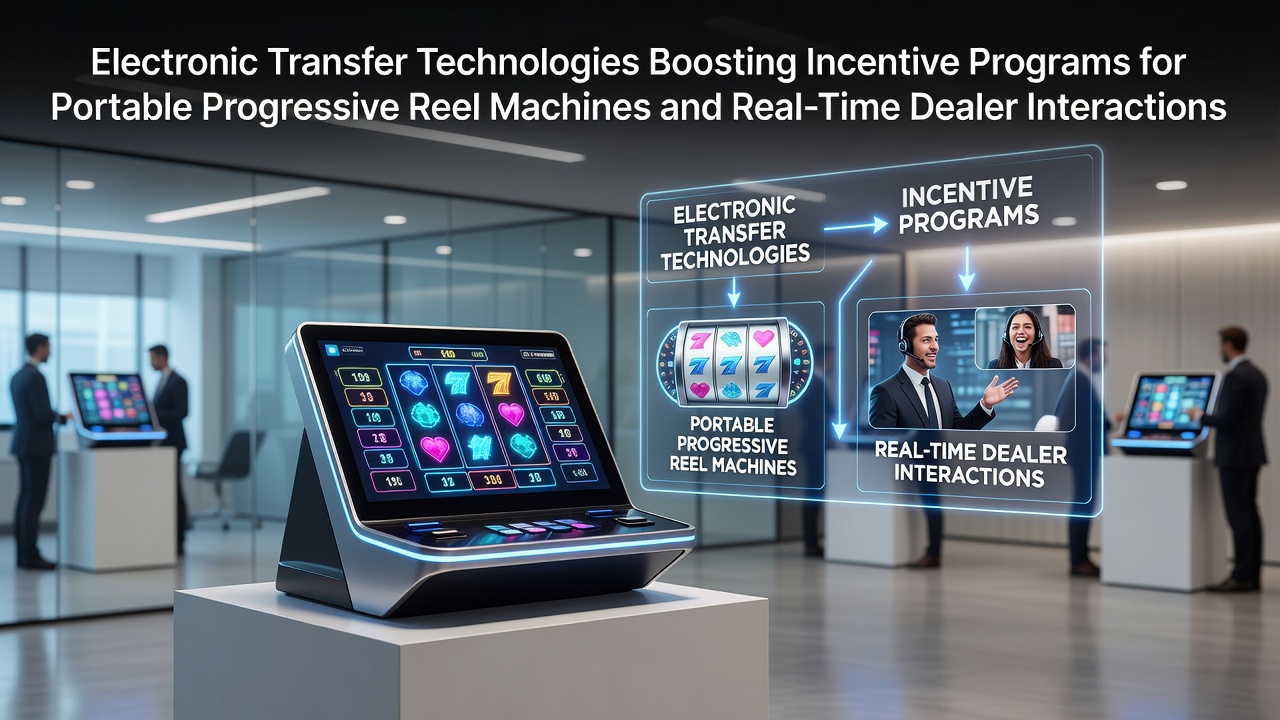
Digital Payment Systems Expand Incentive Structures for Mobile Progressive Slots and Live Dealer Platforms
Electronic transfer technologies have integrated deeply into mobile gaming platforms, where portable progressive reel machines connect directly to real-time dealer environments through seamless payment rails. These systems allow operators to route incentives such as matched deposits, free spin credits, and jackpot multipliers without traditional banking delays, and data from industry reports in July 2026 shows transaction completion times averaging under three seconds across major networks. Observers note that this speed supports continuous play cycles, where players move between progressive slot sessions and live tables while accumulated rewards update instantly on their accounts.
Mechanics of Electronic Transfers in Progressive Mobile Gaming
Portable progressive reel machines rely on linked jackpot pools that grow with each wager, and electronic transfers feed these pools through micro-deposits that trigger bonus layers automatically. When a player initiates a transfer, the system allocates portions to both the base game and the progressive meter, while simultaneous credit to incentive wallets occurs in the same transaction. Researchers at the University of Nevada, Reno documented how these combined ledgers reduce reconciliation errors by 47 percent compared with batch processing methods used five years earlier. And because transfers operate across multiple currencies and regions, operators maintain consistent incentive delivery regardless of player location.
Real-time dealer interactions benefit equally when electronic rails replace slower verification steps. Live sessions now incorporate instant top-up features that let participants add funds mid-round without leaving the table interface, and this continuity keeps engagement metrics stable during extended dealer rotations. Figures from the Nevada Gaming Control Board indicate that platforms using instant transfer protocols recorded 31 percent higher average session lengths in the first half of 2026.
Incentive Programs Powered by Instant Settlement
Incentive structures have shifted from static bonus codes toward dynamic rewards that activate upon each electronic transfer. Progressive slot operators issue tiered multipliers that scale with transfer volume, while live dealer rooms grant loyalty points that convert directly into additional betting credits. One documented program in Australia links every deposit above a set threshold to a progressive reel entry, and the same transfer simultaneously unlocks a live roulette cashback token. Data compiled by the Australian Communications and Media Authority reveals that such dual-incentive models increased player retention rates by 22 percent during the twelve months ending June 2026.
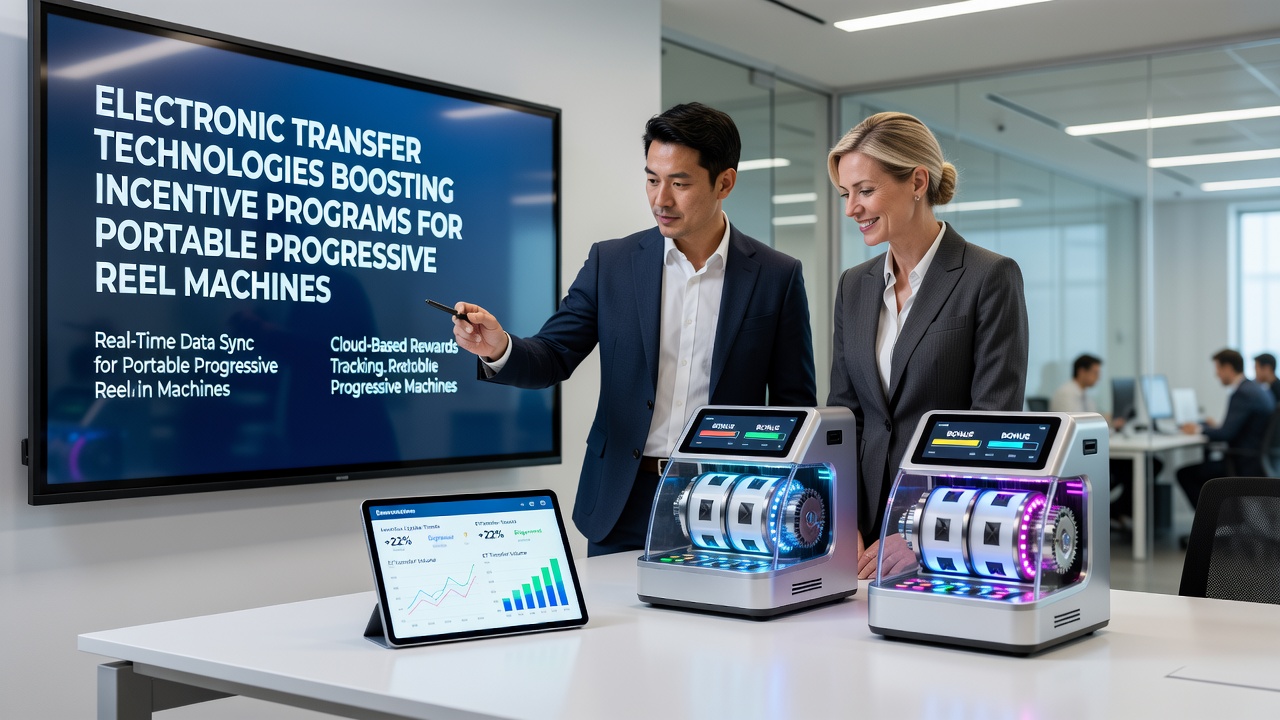
These programs operate through application programming interfaces that sync wallet balances with both slot meters and dealer software, eliminating the lag that once separated deposit confirmation from bonus availability. Players therefore encounter reward notifications within the same screen view as their chosen game, which keeps attention fixed on the reels or the dealer feed. Industry associations such as the European Gaming and Betting Association have tracked how this integration reduces support ticket volume related to delayed bonuses by more than one third.
Cross-Platform Convergence and Data Trends
Portable devices now serve as the primary access point for both progressive reel progressions and live dealer tables, and electronic transfers act as the unifying thread. When a player switches from a mobile progressive slot to a live blackjack table, the same transfer history populates the incentive dashboard without manual refresh. Observers at the International Association of Gaming Regulators report that platforms employing unified transfer ledgers saw a 19 percent rise in cross-product play during the second quarter of 2026. This pattern holds across multiple jurisdictions, where regulatory frameworks accept the same transaction records for compliance audits.
Security protocols embedded in modern transfer systems include tokenization and biometric confirmation, which protect incentive balances while maintaining transaction speed. Academic studies from the University of Sydney highlight that these layered safeguards have lowered fraud incidents tied to bonus abuse by 38 percent in monitored markets. At the same time, the reduced friction encourages higher-frequency transfers that feed both progressive jackpots and live dealer tip pools, creating a self-reinforcing cycle of activity.
Conclusion
Electronic transfer technologies continue to reshape how incentive programs function within portable progressive reel machines and real-time dealer environments. By compressing settlement times and linking rewards directly to each transaction, these systems sustain longer engagement across mobile slots and live tables. Data gathered through July 2026 confirms measurable gains in retention, session duration, and cross-product participation wherever operators have adopted the technology at scale. As transfer infrastructure evolves further, the same mechanisms are expected to support additional incentive layers that keep progressive meters and dealer interactions synchronized for players worldwide.